Skip to content
  • Clear communication
  • Free inspections
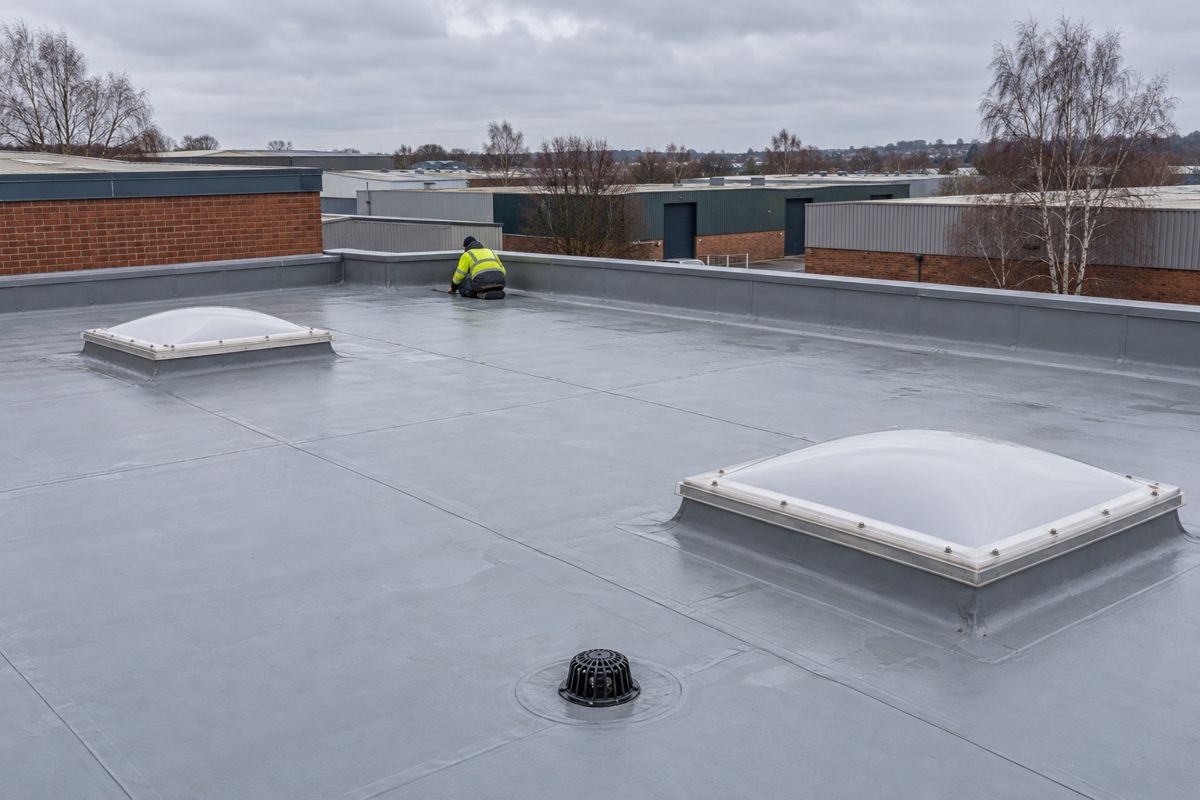
Flat membrane roof on a small industrial unit with rooflights and parapet

Commercial roofing in Nottingham

Commercial roofing in Nottingham for small and mid-size buildings

Flat and low-pitched roof repairs, renewals and surveys for shops, offices, workshops and units, with the work set out in writing.

  • Flat and low-pitched roof work
  • Planned around how your site runs
  • Written scope and quote

Step 1 of 3

What do you need?

What commercial roofs do you work on in Nottingham?

We work on the sort of roofs found on shops, offices, workshops, small industrial units, school and community buildings and the flat roofs above rear extensions. Commercial roofing in Nottingham covers a wide mix, from old brick buildings with pitched slate roofs to modern units with membrane roofs and rooflights.

Most of our commercial work is repair, renewal and survey on small and mid-size buildings. For very large industrial roofs or specialist projects, we will be honest about whether we are the right crew or whether a larger contractor would suit better.

If you manage a property, a roof inspection is a sensible first step. It gives you a record of the roof's condition and a basis for planning repairs and budgets.

Which flat roof systems are used on commercial buildings?

Most flat commercial roofs in the UK use one of a handful of systems. Single-ply membranes, such as EPDM and PVC types, are sheets fixed or bonded to the deck, with welded or sealed seams. Built-up felt is an older, layered approach, still found on many buildings. GRP (fibreglass) is common on smaller roofs, and liquid-applied coatings can extend the life of a roof that is still sound.

The right choice depends on the deck, the shape of the roof, how water drains off it, how much foot traffic it gets and the budget. Flat roofs should never rely on standing water staying put, so falls and outlets matter as much as the covering.

We explain the options in writing so that you can compare them.

What goes wrong on commercial roofs here?

Typical problems include ponding water, blocked outlets and gutters, split seams, cracked flashings at upstands and parapets, damaged rooflights and worn coverings at the end of their life. Older felt roofs can blister and crack. Plant such as air conditioning units can wear the surface if people walk to it often.

Nottingham has a wet autumn and winter, and leaves from nearby trees can block outlets quickly. A small blockage can turn into a leak into the unit below. Regular checks and clearing outlets are a low-cost habit worth building into maintenance.

If a leak is already coming through, our roof repair page explains how we trace and fix faults.

We do not publish prices, because each building is different. The big factors are roof area, the covering chosen, the condition of the deck and insulation beneath, how the roof is reached and whether scaffolding or edge protection is needed. Safe access for the crew is not optional on a commercial site.

Other factors include working around opening hours, stock and tenants, any asbestos in older buildings, rooflights and plant that must be worked around, and waste removal. If an older roof might contain asbestos, say so early. It needs specialist handling and surveys, and it can affect the price and timing.

We put the scope and the exclusions in the written quote, so that you can compare it fairly with others. You can also read how we quote on our home page.

How long does commercial roof work take and what is the process?

A small flat roof can take a day or two. A larger re-cover can take a few weeks, depending on area, weather and the system. Rain, wind and cold can all delay membrane and felt work, because adhesives and welds need suitable conditions.

The process begins with a visit and a look at the roof, drainage and any leaks. We then send a written quote, agree access and working hours, and carry out the work in stages. On a trading building, we plan the noisy or disruptive parts with you.

Call when you see stains, drips, ponding water after rain or a roof that is near the end of its life. Planning a renewal before a failure is usually cheaper and less disruptive.

Clear communication Free inspections Written estimates Local crew

Questions about roofing in Nottingham

Can you work on a roof without closing my business?

Often yes. Roof work is mostly outside, so shops, offices and workshops can usually stay open, although noise, scaffolding and restricted access can affect customers and staff. We agree working hours, entrances and safe zones with you before starting. Where parts of the building must be cleared, we will say so in advance, so that you can plan around it.

How do I know whether to repair or renew a commercial flat roof?

Repair suits a sound roof with a few faults, such as a split seam or a failed flashing. Renewal is worth considering when leaks keep appearing, the covering is brittle or blistered, or the deck or insulation below is wet. A survey gives a clearer view, and a written comparison of repair and renewal helps you decide.

What is the difference between EPDM, GRP and felt?

EPDM is a rubber sheet, laid in large pieces with few joins. GRP is fibreglass laid over a deck in resin and is common on smaller roofs. Built-up felt is made of layers bonded together and is the older approach. Each has strengths and limits, and the right one depends on the roof, access, use and budget. We explain the options in writing.

Do older commercial buildings in Nottingham contain asbestos?

Some can. Buildings and roofing materials from before the early 2000s, such as certain cement sheets and some insulation and coatings, can contain asbestos. If you suspect it, tell your roofer early, because it needs specialist surveying and safe removal. As a property owner or manager you have legal duties around asbestos, and it is worth getting proper advice.

Can you provide a written report on the condition of a commercial roof?

Yes. A roof inspection gives you written notes and photos on the condition of the covering, drainage, flashings and rooflights, and what we would recommend. It can support maintenance planning and discussions with landlords, tenants or insurers. It is a visual survey and does not replace specialist testing where that is needed.

Request commercial roofing

Tell us what you need and we call you back.

No obligation.

Step 1 of 3

What do you need?

Ready when you are. Call now or request a quote online.

How it works

1

Call or request a quote

Tell us what is happening with the roof.

2

Free inspection

A roofer checks the roof and gives a written price.

3

Work done right

Clean crew, nail sweep, warranty in writing.

Takes about 30 seconds. Get my free quote